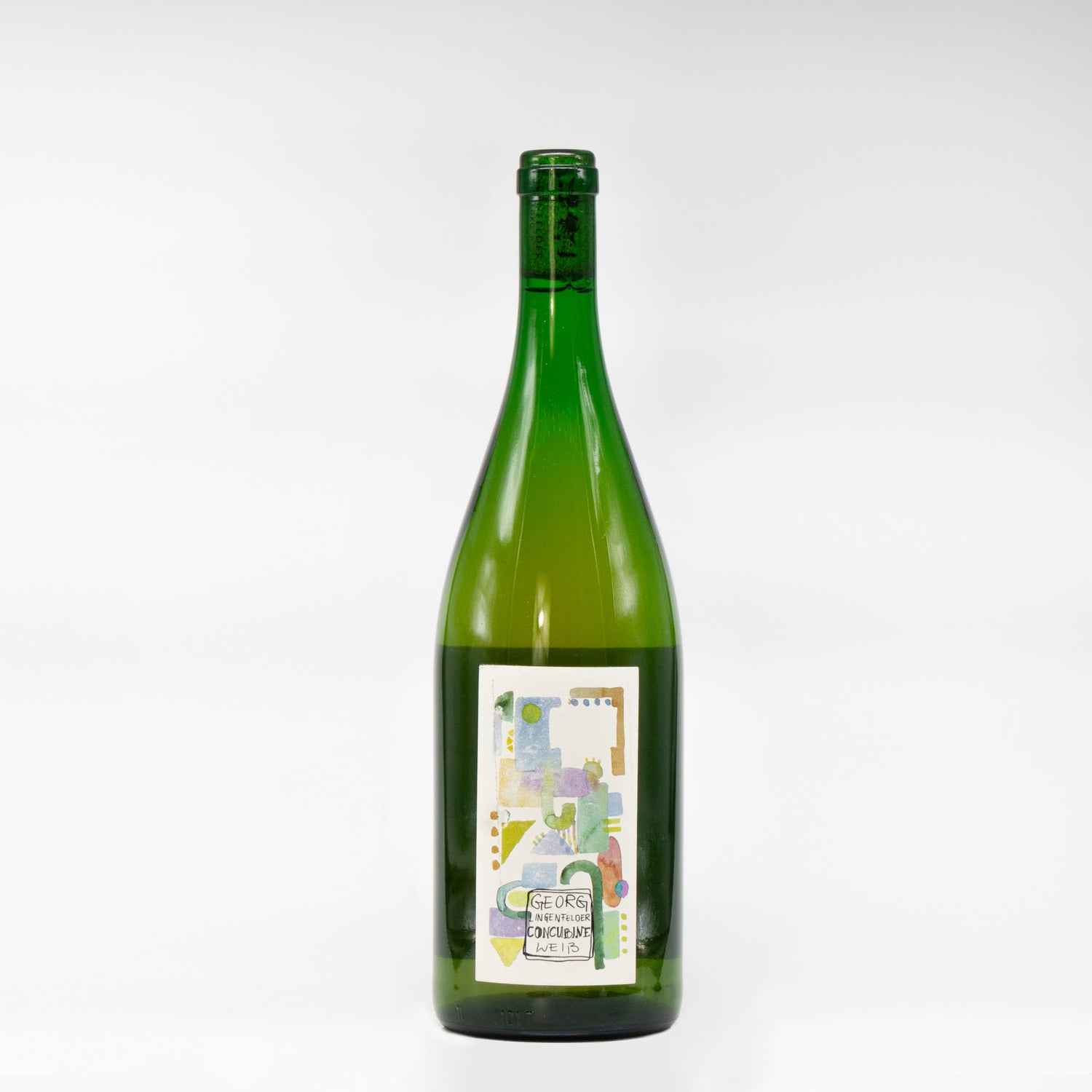

What are natural and low intervention wines?
Natural wine isn't really anything new – it's more of a return to tradition. It's about making wine the way it used to be made: without additives, chemicals, or technical interventions, simply from grapes. The winemakers work organically or biodynamically in the vineyard, which means no pesticides, no artificial fertilizers, no tricks. The vines are allowed to grow as nature intended – with a lot of manual labor, respect for the ecosystem, and a genuine feel for the soil.
In the cellar, the principle is: as little as possible, as much as necessary. The must ferments spontaneously with its own natural yeasts. Nothing is added, nothing is filtered out, nothing is "corrected." No fining agents, no enzymes, no industrial yeasts – and often not even sulfur (or only a tiny amount). The result is a vibrant wine that isn't standardized, but rather displays character – sometimes wild, sometimes funky, always honest.
Low intervention essentially means the same thing: as few interventions as possible in the cellar. It's about not "making" the wine, but letting it develop naturally. The winemakers accompany the process instead of controlling it. This requires courage, experience, and a deep understanding of nature – but it's worth it. Because this is how wines are created that truly taste of their origin, of the vintage, of the grape variety – and sometimes even a little bit funky.
Whether natural wine or low-intervention wine: it's not about perfection, but about authenticity. About vibrant, handcrafted wines with character and quirks.
More on this topic: Raisin - what's natural wine?
